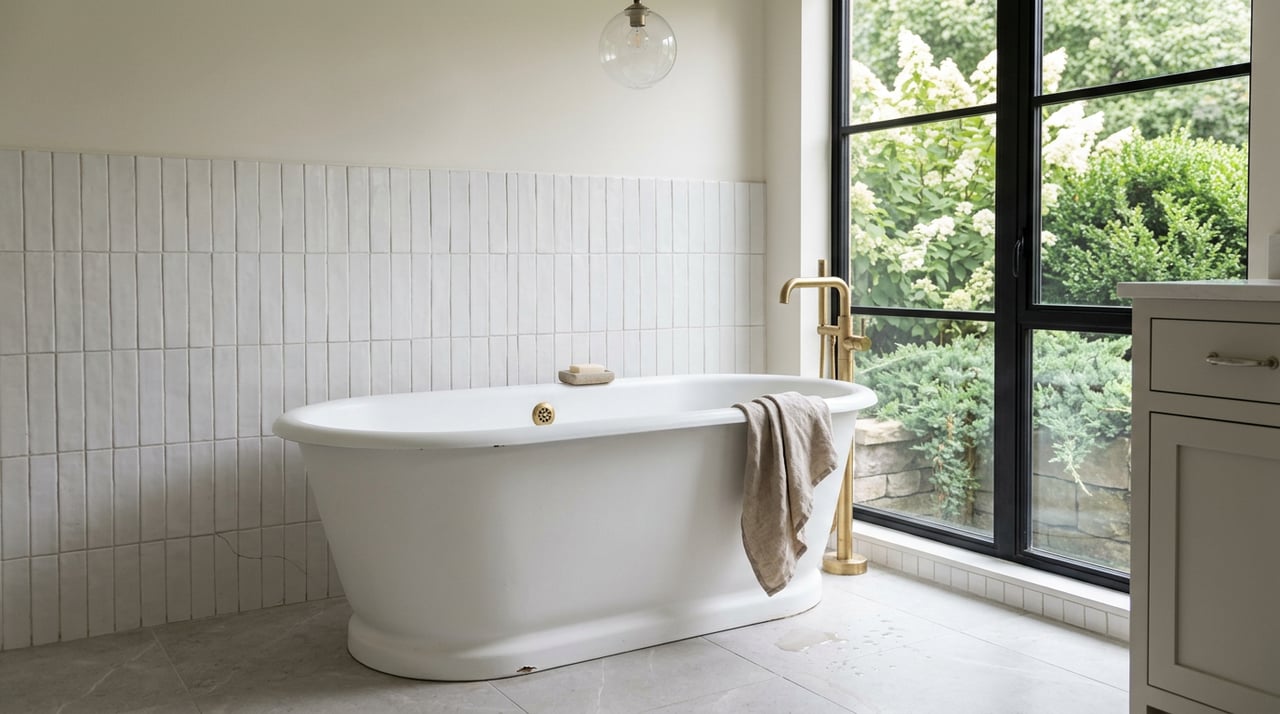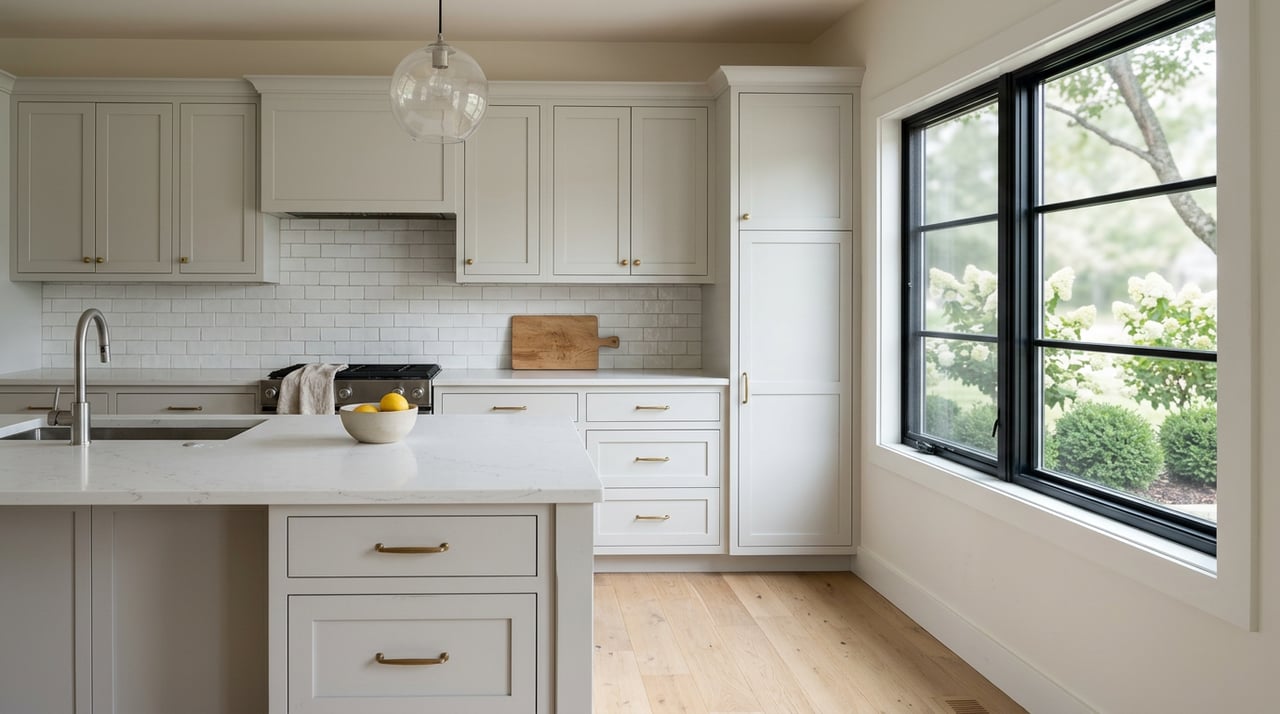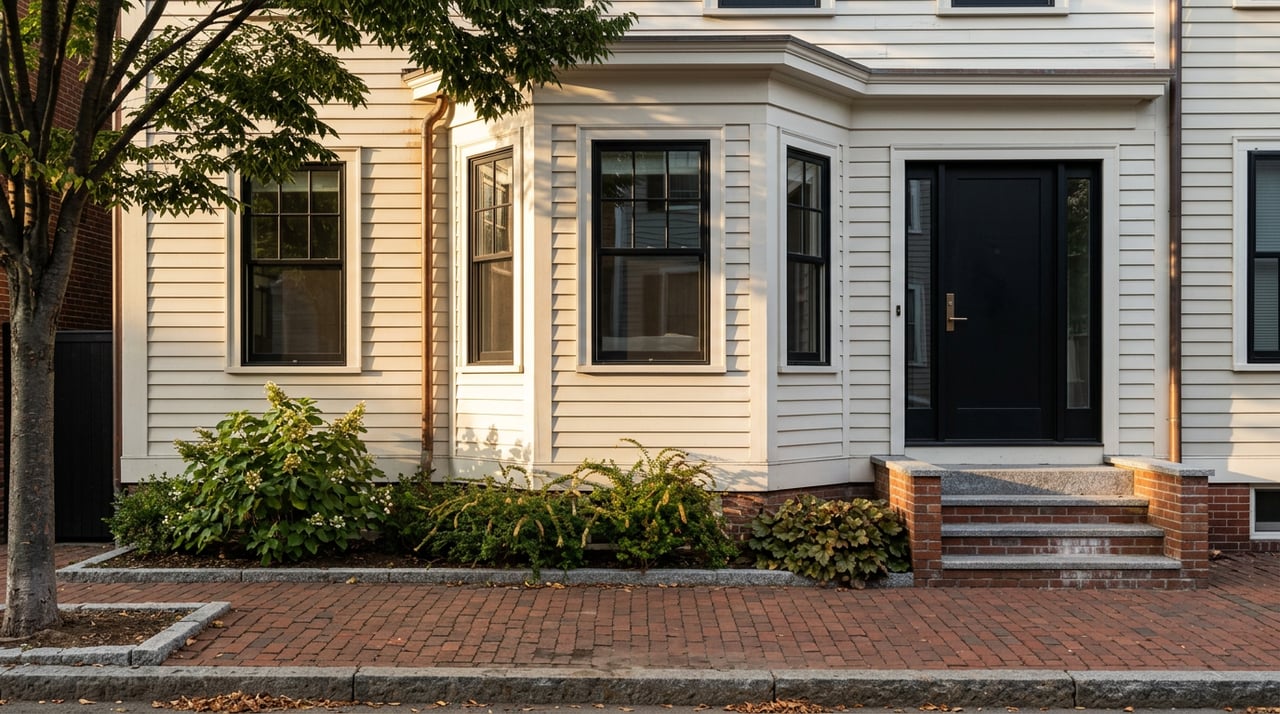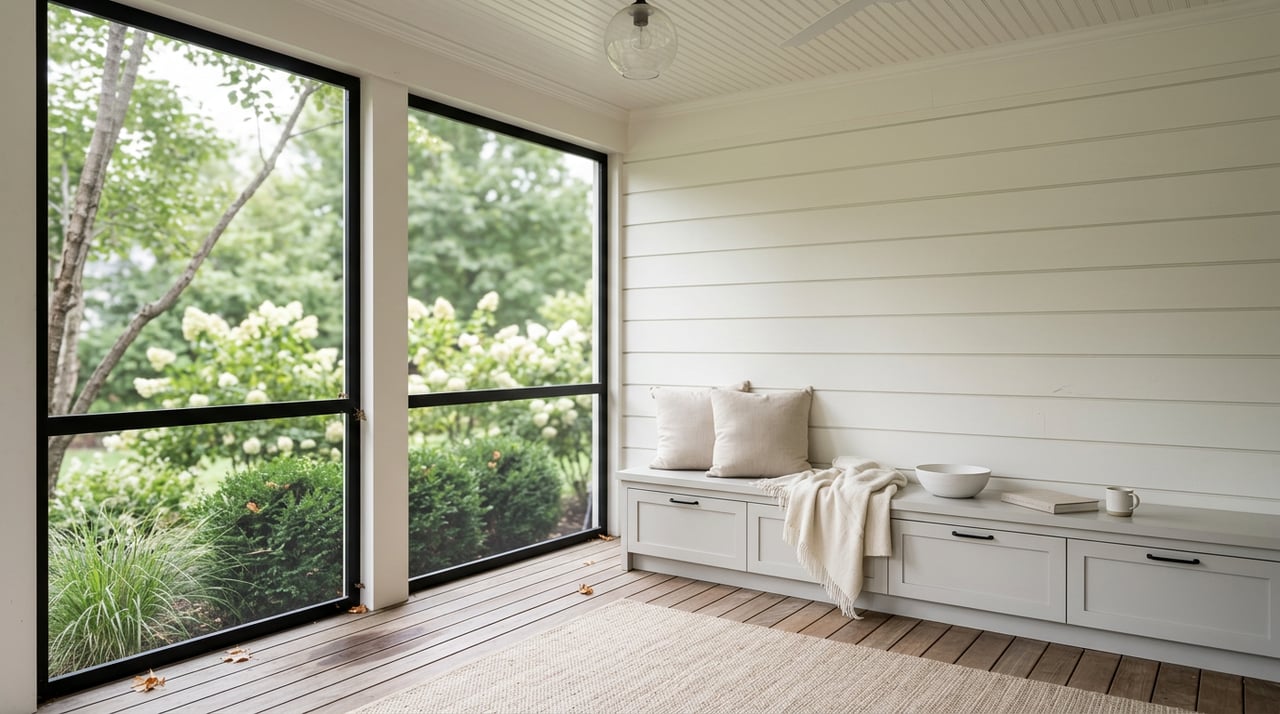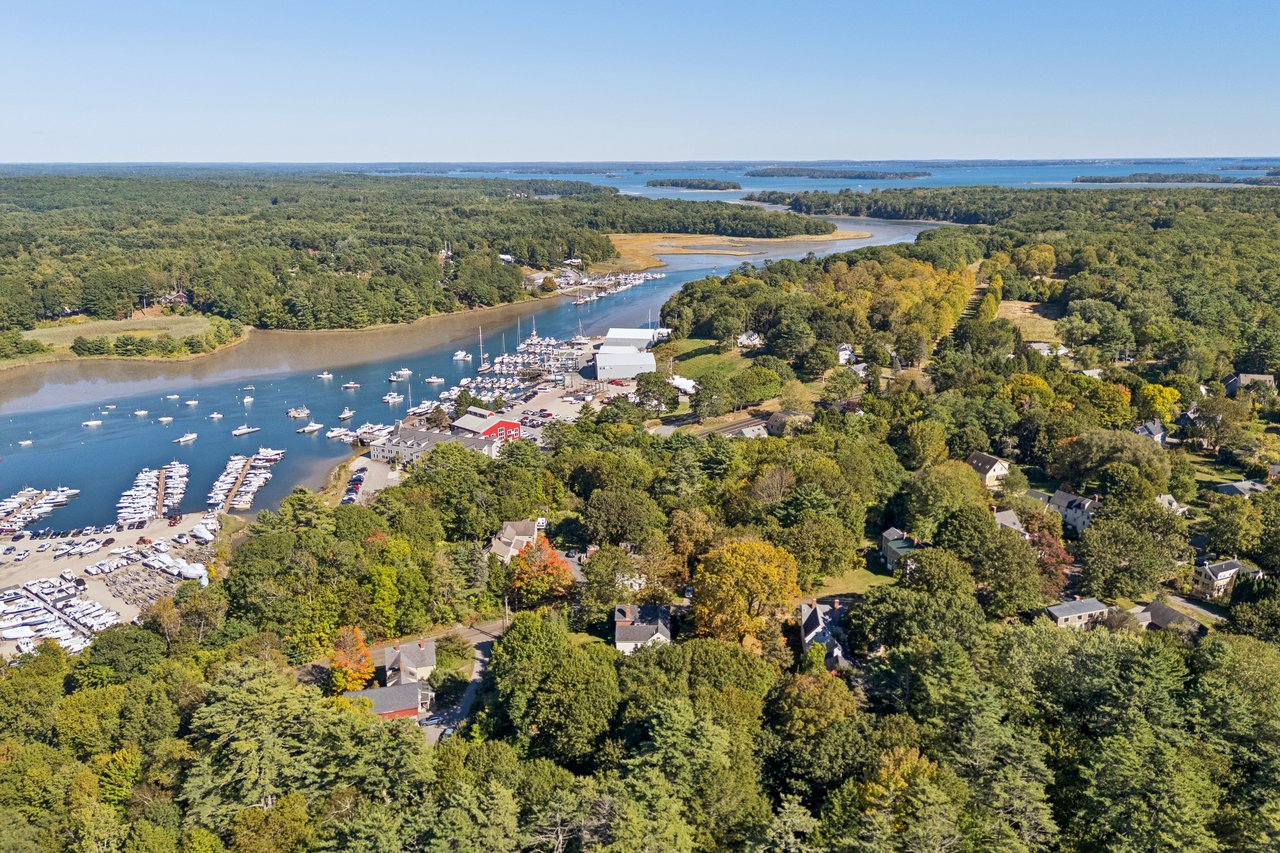
The architectural charm of Southern Maine is undeniable. From the historic brick townhomes and stately sea captain's houses in Portland and Yarmouth to the sprawling coastal properties in Falmouth Foreside and Cape Elizabeth, the region's visual character is a cornerstone of its appeal. However, buyers looking to establish roots, relocate, or upgrade in these competitive markets must look past the polished staging and pretty online photos to understand the structural realities of the local inventory.
Across Cumberland County, the local housing stock skews heavily toward established, older builds. In many of our premier coastal and suburban communities, a significant percentage of homes were built before 1980, with a notable share dating back well before 1940.
Whether you are purchasing an antique farmhouse in North Yarmouth or a historic property on Portland's Western Promenade, navigating older housing stock in a harsh New England climate requires a specific framework for due diligence.
The Impact of Coastal Exposure on Exterior Envelopes
Older homes were built with incredible craftsmanship, but decades of exposure to salt air, high humidity, and intense winter weather take a toll. When evaluating an older property in areas like Falmouth or Cape Elizabeth, your property inspection strategy should place a disproportionate focus on the exterior envelope:
Moisture Barriers and Flashing: Older siding, particularly traditional cedar shingles or clapboards, requires consistent maintenance. Ensuring that windows are properly flashed and roof valleys are secure prevents water intrusion that can go unnoticed behind interior walls.
Foundation Integrity: Many historic homes in Southern Maine feature fieldstone or stacked-stone foundations. While they have stood for a century, they require careful monitoring for shifting, hydrostatic pressure, water intrusion, and proper basement ventilation.
Navigating Insulation, Climate, and Infrastructure
An older home can be completely modernized, but buyers should understand the scope of existing mechanical systems and efficiency upfront, especially if transitioning a home to handle deep Maine winters:
Heating and Energy Efficiency: Many older homes lack modern insulation envelopes. Upgrading an uninsulated historic home to modern energy standards can be a complex venture, particularly if you are trying to preserve original plaster, woodwork, or architectural details. Look closely at the age and zoning of the boiler, furnace, or heat pump systems.
Plumbing and Mechanical Vulnerabilities: Ensuring that electrical panels are updated to modern amperage requirements and checking for legacy plumbing materials are non-negotiable steps when evaluating older inventory to protect the home during freezing seasonal temperatures.
Balancing Upkeep with Historical Guidelines
In many premium neighborhoods across Greater Portland and Yarmouth, older homes fall under local historic preservation ordinances or neighborhood architectural controls. These guidelines are excellent for protecting community character and long-term property values, but they also mean any exterior modifications—from replacing windows to altering exterior materials—may require municipal board reviews. Working with an advisor who understands local zoning and preservation rules ensures your long-term plans for the property align with town guidelines.
Strategic Advice: A property with character, history, and architectural significance can be an excellent long-term investment, provided you go into the transaction with a clear understanding of its maintenance profile and structural needs. Sourcing the right property means balancing historic charm with sound infrastructure. Do not hestitate to give me a call! I can recommend fantastic local inspectors who know exactly what to look for in older homes.