If your idea of a reset includes salt air, a quieter pace, and a place you can reach from New York without turning the trip into a project, coastal Maine probably keeps coming up for a reason. As an Upper East Side buyer, you want more than a pretty destination. You want a second home that fits your weekends, your budget, and your schedule. This guide will help you plan the move from city search to Maine ownership with a clear, practical roadmap. Let’s dive in.
Start With Maine Corridors
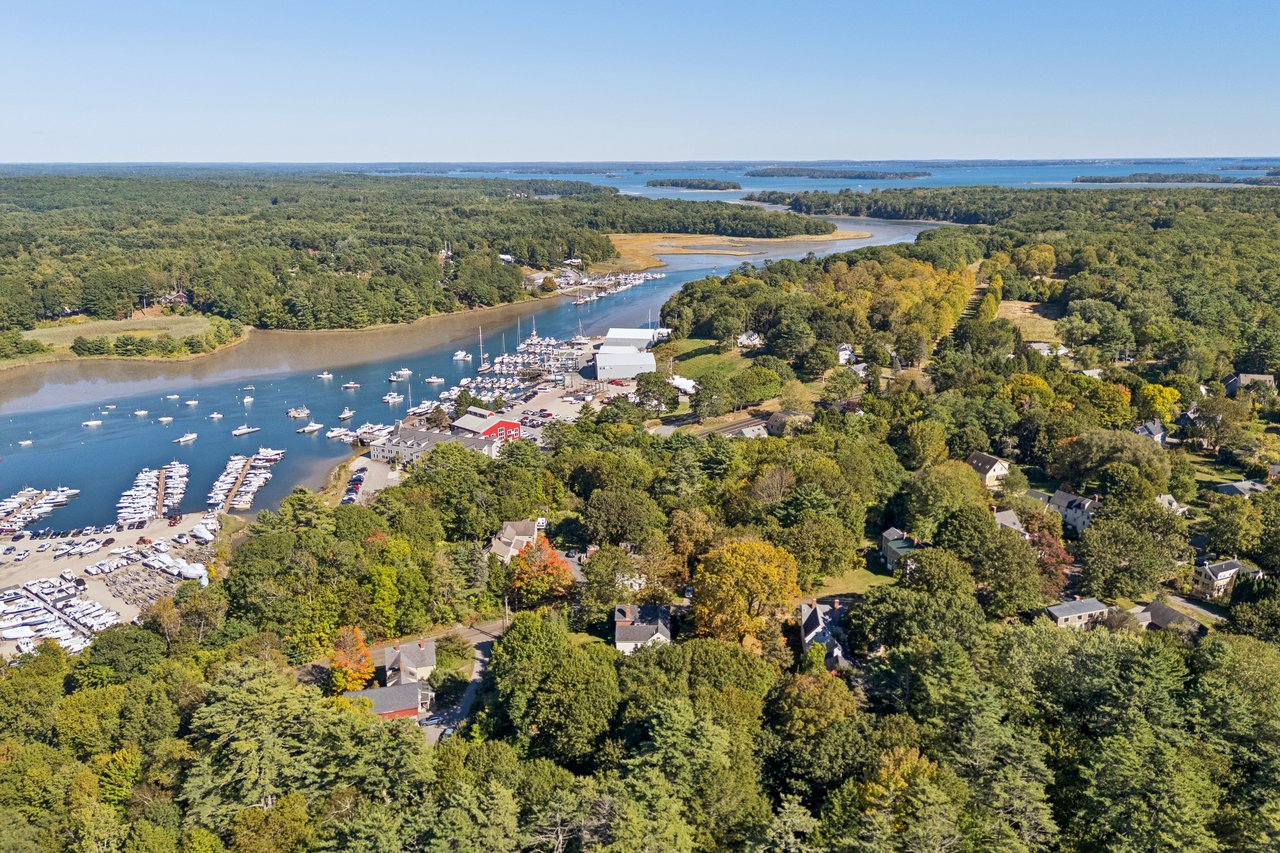
One of the biggest mistakes second-home buyers make is treating coastal Maine like one market. It is not. Maine’s official coastal access guide covers 144 coastal municipalities and townships, and Southern Maine alone is broken into distinct corridor-style areas such as Kittery and York, Ogunquit and Wells, Kennebunk and Kennebunkport, Biddeford and Saco, Scarborough and Cape Elizabeth, Portland, Falmouth and Cumberland, and Yarmouth and Freeport.
That matters because your search will move faster when you choose a corridor first and towns second. If you begin by saying, “I want coastal Maine,” you will see too many different options with very different pricing, travel patterns, and property types. If you begin by saying, “I want a corridor that works for weekend trips,” your search gets much more focused.
Compare Pricing By County
Price is another reason to narrow early. Recent Maine data from February through April 2026 shows clear differences across coastal counties.
| County | Median Sale Price |
|---|---|
| Cumberland County | $590,000 |
| York County | $500,000 |
| Lincoln County | $470,475 |
| Knox County | $419,000 |
| Hancock County | $407,932 |
| Sagadahoc County | $403,000 |
| Washington County | $205,000 |
For many Upper East Side buyers, this is a useful reality check. If you are drawn to Southern Maine for easier access and established coastal towns, you may be shopping in higher-priced areas like Cumberland or York County. If you are open to going farther up the coast, you may find different price points, but your travel routine may also change.
Match The Corridor To Your Lifestyle
A second home should work in real life, not just in listing photos. Before you get attached to a specific house, think about how you want to use the property.
If your goal is quick weekend access, Southern Maine corridors often make the most sense. If you picture walkable downtown days, dining, and condo options, Portland may be your natural starting point. If you want a more classic coastal single-family home experience, towns in Falmouth, Yarmouth, Cumberland, York County, or nearby Midcoast pockets may fit better.
Maine’s coastal public access guide can also help you compare the feel of different areas before you buy. It catalogs public beaches, boat launches, parks, and trails across coastal communities. That makes it easier to assess whether a town feels beach-oriented, boat-oriented, more residential, or more centered on a village or downtown setting.
Plan For Tight Inventory
Even if you are buying a second home, you still need to shop with urgency. In April 2026, Maine had 3,836 active single-family and condo listings statewide. That was up 20 percent from April 2025, but still 44 percent below April 2019 levels.
The takeaway is simple: inventory has improved, but it is still limited by longer-term standards. If the right property appears in your preferred corridor, you may not have the luxury of waiting several weekends to think it over. Good planning before you tour becomes part of your advantage.
Set Up Representation Early
For busy New York buyers, one of the smartest early moves is to formalize your Maine-side representation before your first serious scouting trip. The Maine Real Estate Commission says the brokerage relationships form must be given at the first substantive meeting. Its consumer guidance also says that if you ask a broker to represent you, there must be a written brokerage agreement that includes the services to be provided, compensation terms, and the expiration date.
In practical terms, that means your Maine buyer relationship should be in place before you spend valuable time touring homes. This is especially important if you are coordinating your search from another state and trying to make one or two trips count.
Under Maine law, a buyer agent is expected to seek properties at your stated price and terms, present offers in a timely manner, disclose material facts known to the agent, and advise you to get expert help on matters outside the agent’s expertise. That makes your local agent more than a showing contact. The right agent becomes your coordination hub.
Build A Maine Team Early
A smooth second-home purchase usually depends on the right local team. For an Upper East Side buyer planning a Maine purchase, that team often includes:
- A Maine buyer agent
- A private attorney to assist with negotiation and contract review
- A lender familiar with second-home lending
- Inspectors who understand coastal property conditions
Maine’s consumer contract guidance says contracts for the sale of land must be in writing. It also says that for important, complex, or expensive transactions, best practice is to have a lawyer assist with negotiation and review.
That is especially useful for second-home purchases, where you may be balancing travel, timing, and a different set of property questions than you would in a primary residence search. Bringing your attorney in early can make document review more efficient and reduce last-minute surprises.
Tour Maine Efficiently From New York
The good news is that preview trips can be very workable. Portland International Jetport currently lists service from New York City-LaGuardia on American and Delta, New York City-JFK on Delta and JetBlue, and seasonal Newark and New York City service on United.
That makes it realistic to plan short, focused scouting trips instead of waiting for a long vacation window. You do not have to see the entire coast in one stretch. In fact, you should not.
A better strategy is to batch your tours by corridor. For example:
- One trip for York, Wells, and Kennebunkport
- One trip for Portland, Falmouth, Cumberland, Yarmouth, and Freeport
- One trip for Midcoast towns
This approach gives you cleaner comparisons and less time wasted in the car. It also helps you learn the rhythm of each area rather than blurring multiple markets together.
If you are focusing on Southern Maine, the Amtrak Downeaster can also support a more flexible scouting day. It makes five round-trips daily between Brunswick and Boston and serves Brunswick, Freeport, Portland, Old Orchard Beach, Saco, and Wells. Once you are on the ground, that corridor can be explored efficiently with less driving in certain stretches.
Review Disclosures Before You Fall In Love
Coastal homes often come with property-specific questions that deserve attention early. Maine requires sellers to disclose a wide range of residential property details, including:
- Water supply details
- Heating system or source
- Waste disposal system
- Hazardous materials, including lead-based paint
- Radon
- Underground oil storage tanks
- Methamphetamine-related disclosures
- Known defects
- Access
- Flood hazard
- Shoreland zoning issues
These items are especially important in coastal searches, where wells, septic systems, waterfront exposure, shared access, and shoreland rules may all affect how you use the property. A home can be beautiful and still require closer review on systems, access, or zoning-related details.
If the property disclosure statement is delivered after you make an offer, Maine law gives you a specific protection. You may terminate the contract or withdraw the offer within 72 hours after receiving the disclosure, without penalty.
For out-of-state buyers, that timing matters. If you are reviewing documents between New York and Maine, you need a process in place so you can act quickly and confidently.
Know When To Bring In An Attorney
Many second-home buyers ask when a Maine attorney should enter the process. The practical answer is early enough to review contract terms before time pressure builds.
Maine’s guidance is clear that legal review is a best practice for important, complex, or expensive transactions. Since a second home often checks all three boxes, early coordination can help you understand the agreement, negotiate cleanly, and keep your timeline on track.
It also helps to know what the Maine Real Estate Commission does not do. The Commission says it cannot give legal advice, enforce contracts, or mediate disputes. That is another reason private legal guidance matters when you are making a significant purchase from out of state.
Focus On Confidence, Not Speed Alone
A successful Maine second-home purchase is not about racing through listings. It is about preparing well enough that you can move decisively when the right property appears.
That usually means choosing your corridor early, setting formal representation before touring, building your Maine team, and reviewing disclosures with care. For many Upper East Side buyers, the most efficient path is not to see more homes. It is to make fewer, better-planned trips with the right professionals already in place.
If you are thinking about a second home in coastal Maine, Lauren Jones can help you narrow the right corridor, plan efficient tours, and navigate the process with local insight and concierge-level guidance.
FAQs
What is the best coastal Maine area for an Upper East Side weekend buyer?
- The best fit depends on how you plan to use the home, but many weekend buyers start with Southern Maine corridors because they are easier to reach for shorter trips and offer distinct options from York County through Portland and nearby Cumberland County towns.
How should an Upper East Side buyer start a Maine second-home search?
- Start by choosing a coastal corridor first, then formalize a written buyer representation agreement with a Maine agent before your first serious scouting trip.
What should a New York buyer review before touring homes in Maine?
- You should review your budget, target corridor, property type priorities, and any available disclosure information so your tour time stays focused and productive.
When should a second-home buyer hire a Maine attorney?
- A Maine attorney should be involved early enough to assist with negotiation and contract review before deadlines create unnecessary pressure.
What disclosures matter most for coastal Maine second homes?
- Key disclosures often include water supply, heating source, waste disposal, radon, underground oil tanks, known defects, access, flood hazard, and shoreland zoning issues.
Is inventory still tight in Maine for second-home buyers?
- Yes. Maine inventory improved year over year in April 2026, but statewide active listings were still well below 2019 levels, so buyers should be ready when the right property becomes available.