Thinking about moving to Freeport? It is easy to picture the shopping village and coastal charm, but daily life here is more nuanced than a quick visit might suggest. If you are considering a move, it helps to understand how Freeport feels beyond downtown, what the housing market demands, and what practical details can shape your decision. Here is what you should expect before you make the move.
Freeport Offers More Than Its Village Core
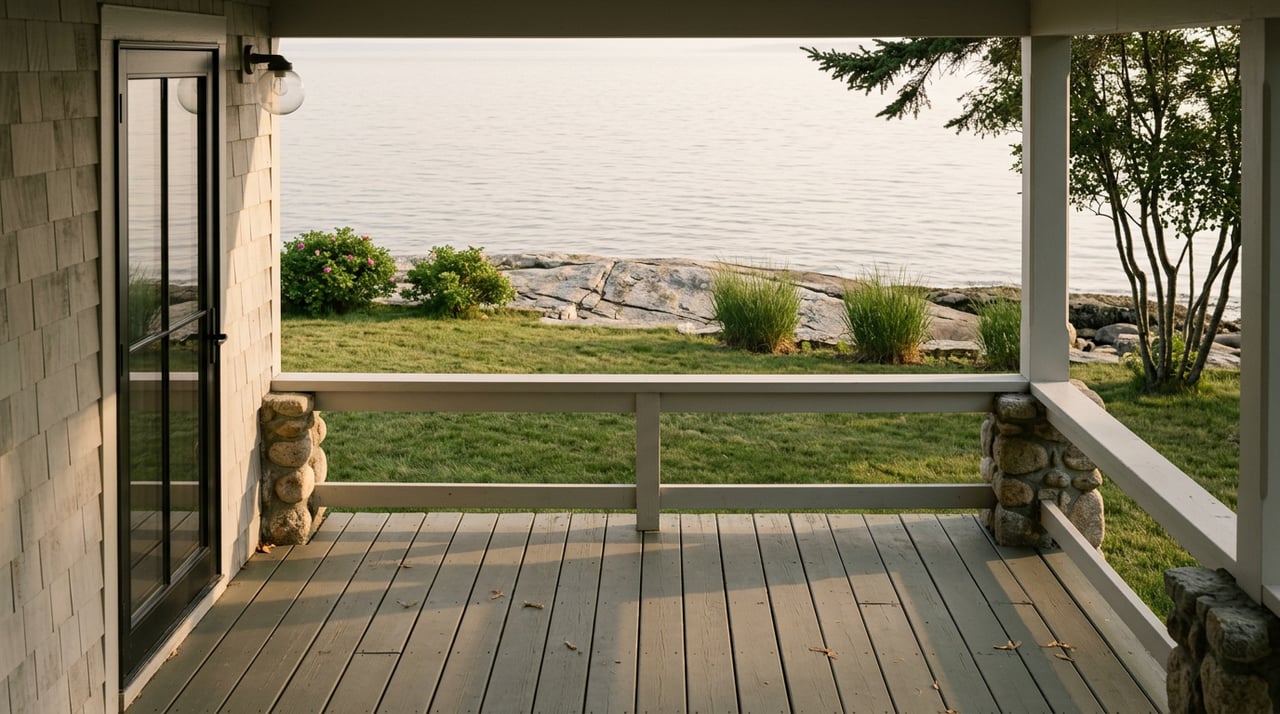
Freeport is a small coastal town in Cumberland County with about 8,934 residents as of July 2025. It sits roughly 20 minutes from Portland and includes 37 miles of tidal coastline, a protected harbor on the Harraseeket River, farm fields, clam flats, and rocky shoreline. That mix gives the town a distinct balance of coastal access, village convenience, and quieter residential living.
The town is known as a year-round visitor destination, but it also has a residential side that feels very different once you move beyond the busiest commercial areas. Planning documents distinguish the downtown village, South Freeport, and the more rural edges of town. If you are relocating, that means your day-to-day experience can vary a lot depending on where you land.
Neighborhood Feel Varies by Area
In and around the historic Harraseeket district, you will find South Freeport, Porter's Landing, Mast Landing, and areas like Wolfe's Neck. These parts of town tend to reflect Freeport's older coastal identity rather than a large-scale subdivision layout. For many buyers, that is part of the appeal.
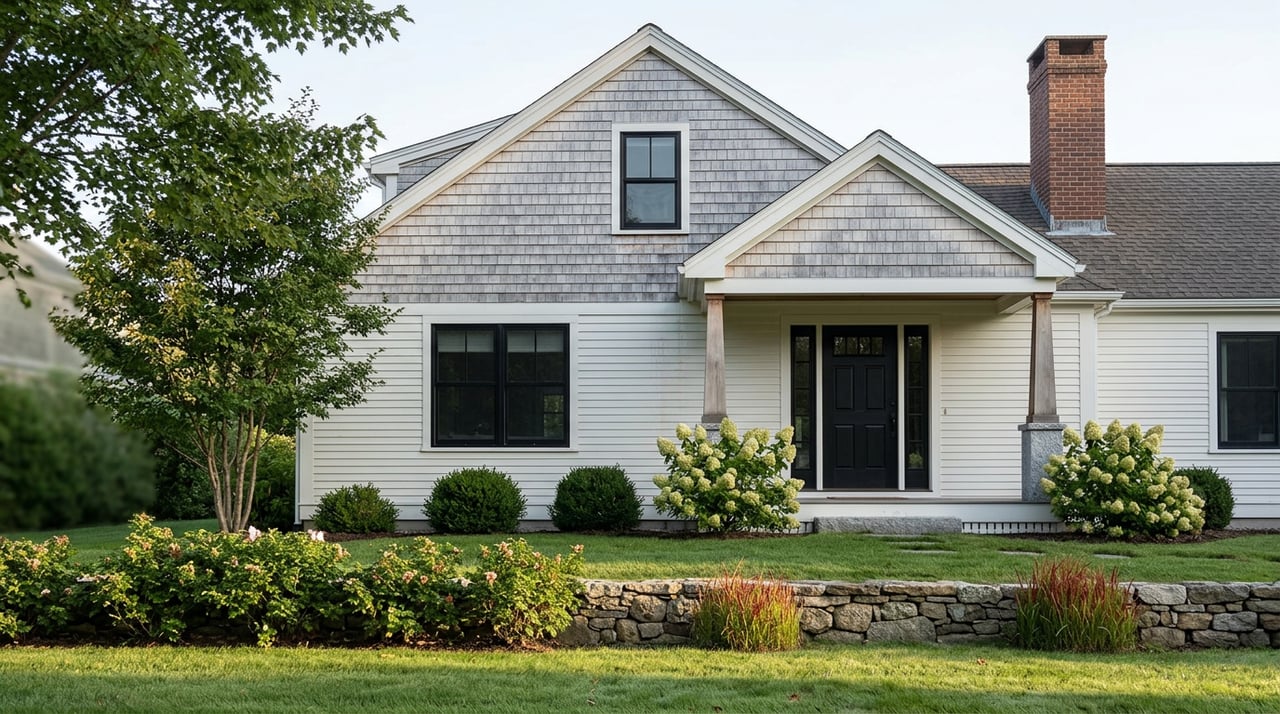
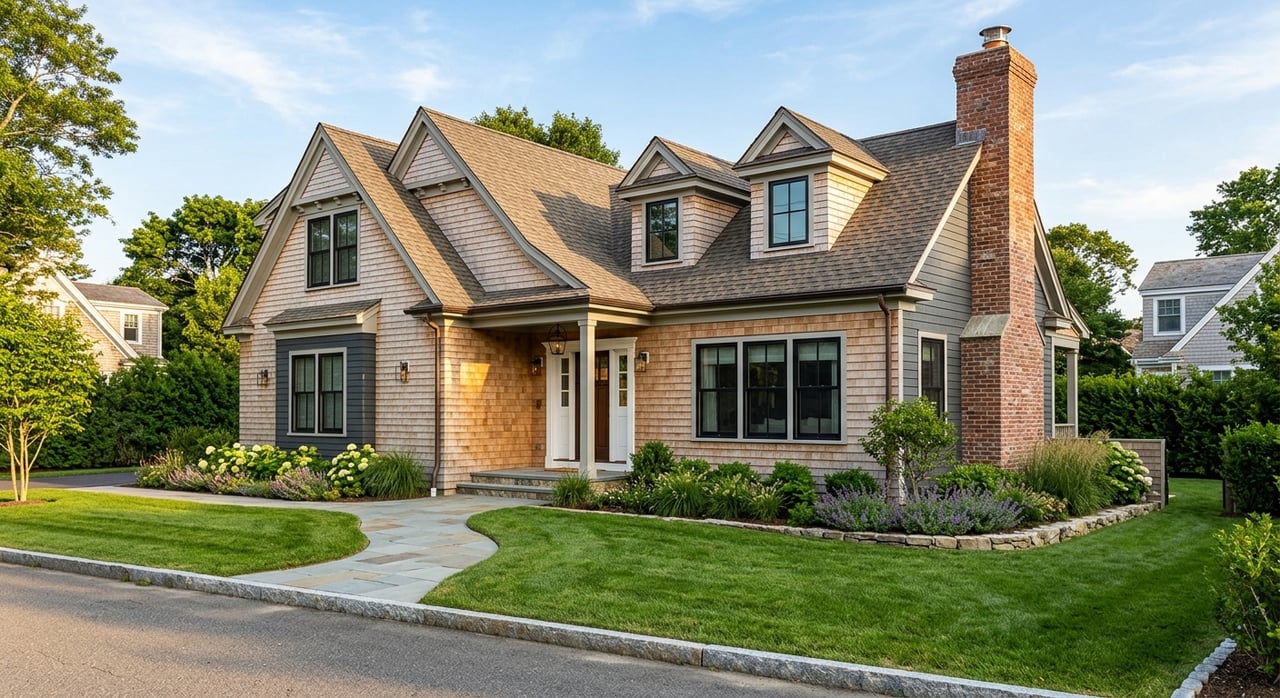
Freeport's design standards highlight traditional New England and maritime architecture, including Colonial, Federal, Greek Revival, Queen Anne, Gothic Revival, Italianate, and Shingle Style homes, along with simple farmsteads. In practical terms, you should expect a housing stock with history, character, and variety. If you are searching for a polished newer-build feel everywhere, Freeport may feel more eclectic and established than uniform.
The Housing Market Moves Fast
If you are moving to Freeport, preparation matters. Current market data shows a competitive environment, with a median sale price of $520,000 and homes selling in about 28 days. Compared with the broader county pace, that is fast enough that buyers should not expect a slow, casual search process.
This does not mean every listing disappears instantly, but it does mean you should be ready to act when the right property appears. In a market like this, timing, clarity, and local guidance can make a real difference. It is smart to begin your financing, search criteria, and must-have list before you start touring seriously.
Expect Pricing That Reflects Demand
Freeport's median owner-occupied home value is $508,400, and the median gross rent is $1,439. Those numbers point to a town with meaningful demand on both the ownership and rental sides. With a median household income of $107,326 and an established year-round population, Freeport tends to attract buyers who are intentional and well-prepared.
If you are coming from a larger city, some homes may feel comparatively spacious or private for the price. If you are moving from another part of Maine, pricing may feel more competitive than in less coastal or less connected towns. Either way, it helps to look at Freeport as a market with steady interest, not a hidden bargain.
Village Living Is Evolving
Freeport is not standing still. The town is actively planning for a Village Corridor that supports housing, pedestrian improvements, transit, and downtown vibrancy. The town has also highlighted approved downtown apartment and condo projects, which suggests the village area will continue to change over time.
For new residents, this means inventory and neighborhood feel may keep evolving, especially near Route 1 and Main Street. If you want a location close to shops, services, and transit, that can be a plus. If you prefer a more settled and less active development pattern, you may want to look more carefully at the edges of town or established residential pockets.
Utility Setup Deserves Early Attention
One of the biggest practical details in Freeport is that utility service is not always simple or uniform across properties. The town makes clear that sewer and water are handled by separate entities, so you should verify service early rather than assume every home has the same setup. This becomes especially important when comparing village properties with homes in less dense areas.
Freeport's sewer system includes about 18 miles of mains and roughly 1,000 accounts, with public sewer along the Route 1 corridor, Mast Landing, and part of South Freeport Road. Outside those areas, you may need to look more closely at how a property is served. That kind of due diligence matters before you get too far into a purchase decision.
Know the Property Tax Rate
Freeport's FY2025-2026 tax rate is $13.85 per $1,000 of assessed value. That does not tell you your exact tax bill on a specific property, but it gives you a useful baseline as you compare options. For many buyers, this is one of the first numbers to review alongside price, utility setup, and location.
Getting Around Is Easier in Some Areas Than Others
Freeport works best as a car-centered town, but it does offer public transit options that matter for some movers. The Amtrak Downeaster stops in Freeport on the Boston-Brunswick corridor, and METRO Breez provides express bus service with four stops in town. That is helpful if you want occasional rail access or a more flexible commute pattern.
Still, town planning materials note that transit is limited outside the Route 1 corridor. So if you hope to live with fewer car trips, location choice is key. Car-light living is most realistic near the village and transit stops, while homes farther out may offer more privacy but require more driving.
Town Services Are Strong for a Small Community
Freeport offers a solid level of local service for its size. The town maintains and plows 87 miles of road and 6 miles of sidewalks, which is especially relevant in Maine's winter conditions. The Recycling and Transfer Facility is open Wednesday through Saturday from 7 a.m. to 4 p.m., and the Freeport Community Library provides free cards for residents and property owners.
The town also maintains police, fire and rescue, harbor master, and general assistance services. Beyond town government, Freeport Community Services offers support such as food pantry help, heating assistance, transportation to medical appointments, and referral assistance. For newcomers, that broad local support network can make settling in feel more manageable.
School Planning Runs Through RSU 5
If schools are part of your move, it is useful to know that Freeport is served by Regional School Unit 5, which also includes Durham and Pownal. Students in Freeport attend Morse Street School, Mast Landing School, Freeport Middle School, and Freeport High School. Because the district is regional, school planning involves the broader RSU 5 structure rather than only the town government.
Outdoor Access Is a Major Part of Life Here
One of Freeport's biggest lifestyle strengths is how easy it is to get outside. The town has more than 3,385 acres of conserved land, which is about 14% of its landmass, and the Freeport Conservation Trust lists more than 30 miles of trails. For many new residents, that everyday access to woods, water, and open space becomes one of the best parts of living here.
Wolfe's Neck Woods State Park adds five miles of trails along the Harraseeket River and Casco Bay. Winslow Park offers year-round day use, a tidal beach, wooded trails, and a boat launch. If you want a town where outdoor recreation feels built into regular life, Freeport delivers that in a meaningful way.
Coastal Living Comes With Local Rules
The coastal setting is a major draw, but it also comes with regulations you should know. The harbor master oversees waterfront rules, and a municipal shellfish license is required for clamming in Freeport except at Wolfe's Neck Woods State Park. That is a good reminder that coastal access here is real and rewarding, but it also comes with town-specific procedures.
Seasonality Affects Daily Life
Freeport changes with the seasons, and that affects more than the scenery. As one of Maine's top visitor destinations, the town sees busier conditions during peak travel periods, especially in summer. Winslow Park's camping season runs from late May through late September, which is one sign of how active the warmer months can be.
Winter brings its own practical realities, including road maintenance and freeze-thaw conditions. If you are planning a move, logistics may feel easier outside the coldest winter stretch and outside the busiest summer visitor season. That does not mean you should avoid those windows entirely, but it helps to plan with local rhythm in mind.
What New Residents Should Keep Top of Mind
Before moving to Freeport, focus on a few basics:
- Choose location carefully based on how close you want to be to the village, transit, and services
- Expect a competitive market and be ready to move quickly when the right home appears
- Verify utilities early, especially sewer and water service
- Review property taxes as part of your full monthly cost picture
- Plan for seasonal shifts in traffic, weather, and move timing
- Think beyond downtown so you understand the difference between village living and quieter residential areas
Freeport appeals to buyers for good reason. It offers coastal character, outdoor access, a strong sense of place, and practical connections to Portland and regional transit. But like any move, the best outcome comes from matching your expectations to the reality of how the town functions day to day.
If you are considering a move to Freeport and want a local perspective on timing, neighborhoods, and the buying process, Lauren Jones can help you navigate the market with clarity and confidence.
FAQs
Is Freeport, Maine a good fit for year-round living?
- Freeport is more than a visitor destination. It has a year-round residential side, town services, local transit options, and a mix of village, coastal, and more rural living environments.
How competitive is the home market in Freeport, Maine?
- Freeport is a competitive market, with a median sale price of $520,000 and homes selling in about 28 days based on current market data.
Can you live in Freeport, Maine without a car?
- Partially, but it depends on location. Car-light living is most realistic near the village and Route 1 corridor, where transit options are more available.
What types of homes are common in Freeport, Maine?
- You will often see historic coastal and New England styles, including Colonial, Federal, Greek Revival, Queen Anne, Gothic Revival, Italianate, Shingle Style, and farmstead-type homes.
What utilities should buyers verify when moving to Freeport, Maine?
- Buyers should confirm whether a property has public sewer, which water provider serves it, and how property tax assessment applies to the home they are considering.
What should new residents know about recreation in Freeport, Maine?
- Freeport offers extensive outdoor access, including conserved land, trail networks, Wolfe's Neck Woods State Park, and Winslow Park, along with waterfront recreation that follows local rules and licensing requirements.