Living on the coast in Harpswell can feel like a dream, but it also comes with very real day-to-day decisions. If you are considering a home here, you are probably wondering what ownership actually looks like beyond the view. This guide will walk you through the lifestyle, access, upkeep, and practical questions that matter most so you can picture coastal ownership with more confidence. Let’s dive in.
Harpswell coastal living feels active
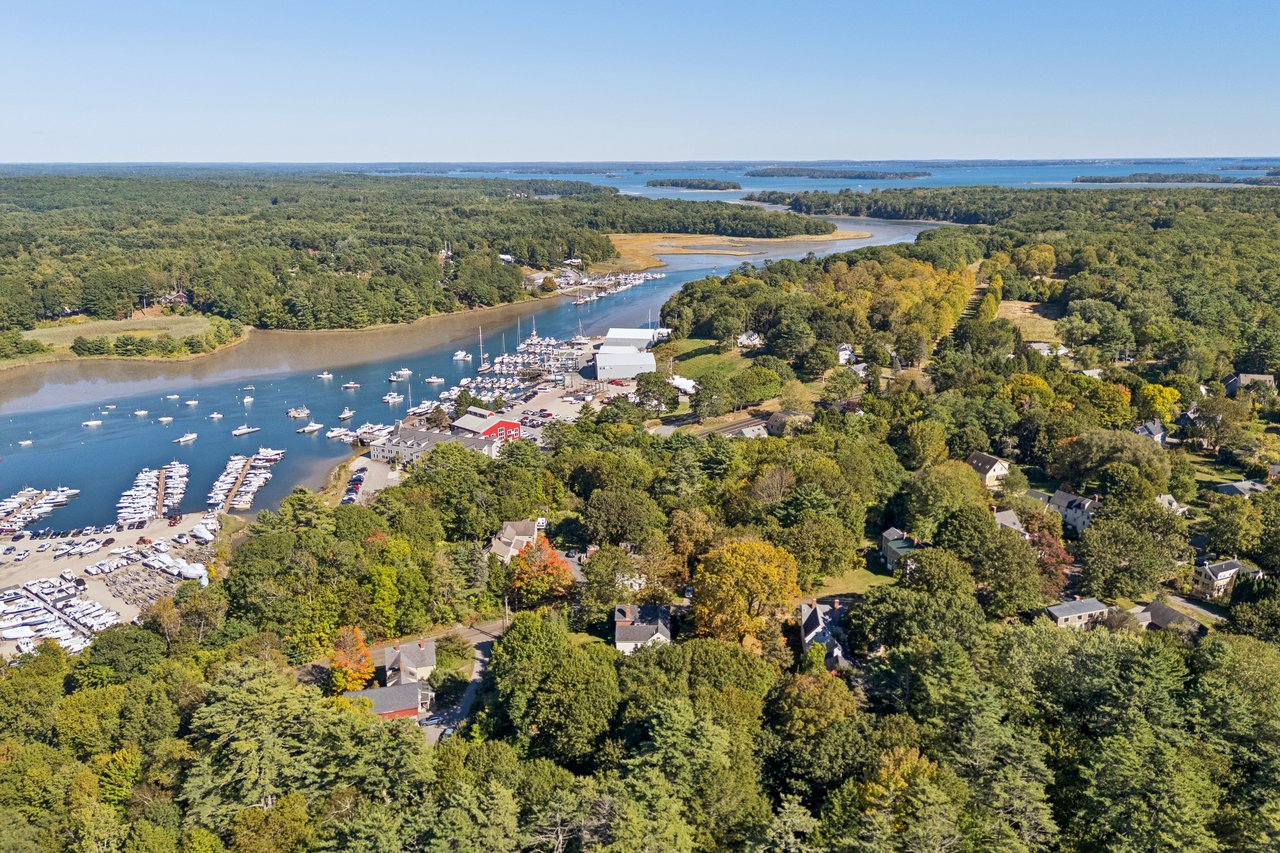
Harpswell is not just a scenic waterfront town. It is a working waterfront community with more than 216 miles of coastline, along with more than 275 licensed lobster harvesters and more than 50 licensed commercial shellfish harvesters.
That matters because owning a coastal home here means living in a place shaped by the marine economy. In many areas, you will see boats, gear, harbor activity, and working waterfront patterns as part of everyday life. The setting is beautiful, but it is also practical, active, and rooted in the water.
Homes vary across peninsulas and islands
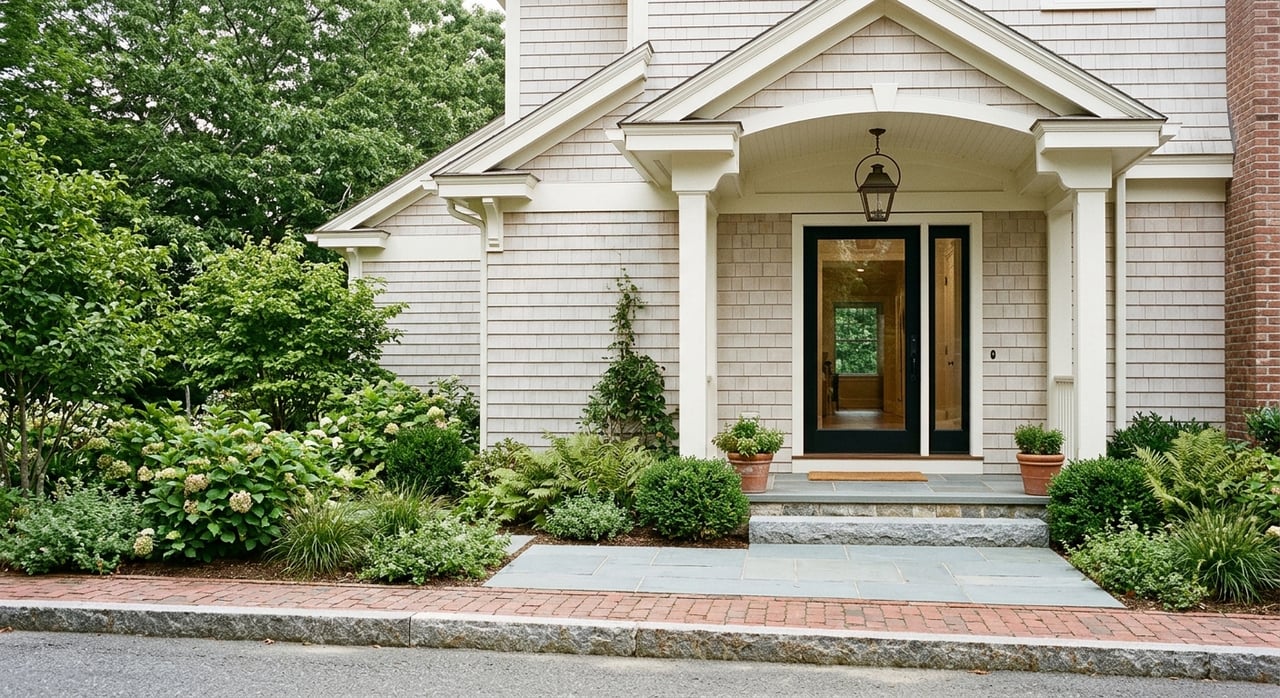
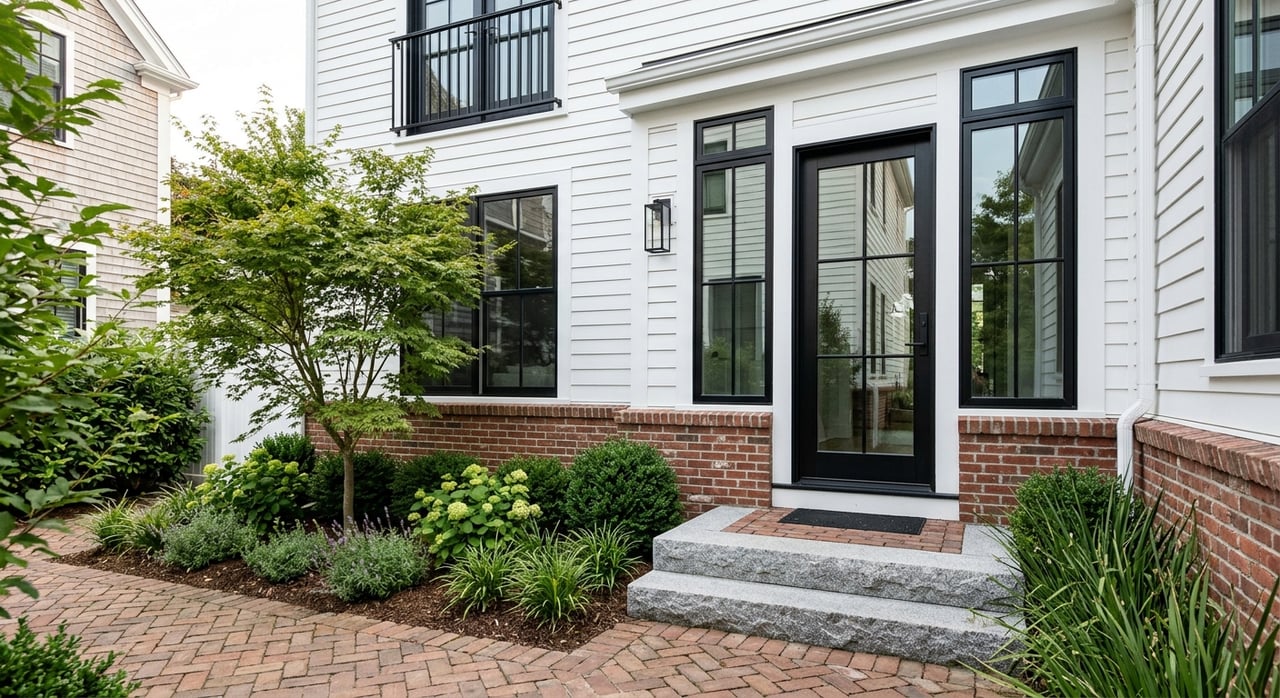
Harpswell is made up of long peninsulas, islands, sheltered harbors, rural stretches, and village areas. That gives the housing stock a lot of variety, from older village homes and cottages to newer waterfront properties, seasonal homes, and year-round residences.
You may find that two coastal homes with similar views offer very different ownership experiences. One might sit in a more established village setting, while another may feel more private and self-directed. In Harpswell, location shapes not only the look of a property, but also how you access the water and manage the home through the seasons.
Water access means different things
One of the biggest things to understand in Harpswell is that coastal access is not one-size-fits-all. A home may be true shoreline property, have shared access, rely on a nearby landing, or offer a mooring-based setup instead of a private dock.
That is why buyers need to look closely at how a property connects to the water. A beautiful view does not always mean direct access, and direct access does not always mean the same type of boating setup you may expect elsewhere.
Shorefront is not the only setup
Some properties have frontage directly on the shoreline. Others may include shared landings or access points that support a coastal lifestyle without a private dock.
In Harpswell, that can still be a strong fit depending on how you plan to use the property. If your goal is kayaking, launching a small boat, or enjoying harbor access through a mooring arrangement, the right setup may look different than a traditional dock property.
Moorings matter in Harpswell
Moorings are regulated through Harpswell’s Harbor & Waterfront Ordinance. The harbormaster can assign one mooring privilege per shorefront parcel when practicable, and some float types require Army Corps permission.
This is a key point if you picture stepping into boating life right away. Before you buy, you want a clear understanding of whether the property has an existing mooring arrangement, whether a privilege may be available, and what kind of approvals may apply.
Daily life is shaped by weather and roads
Coastal ownership in Harpswell often feels more hands-on than buyers first expect. Daily routines can revolve around tides, weather, landings, and road conditions, especially if your property sits on a private road or in a more exposed location.
The town notes that 63% of its roads are privately owned. That means some homeowners manage plowing and road upkeep themselves or through a road association rather than relying entirely on the town.
For many owners, that is part of the appeal. It can feel quieter, more independent, and more connected to the landscape. It also means you should understand winter access and maintenance responsibilities before you close.
Public spaces stay part of the lifestyle
Even when you own coastal property, Harpswell’s public spaces often remain part of everyday life. The town maintains a network of landings and public spaces, and places like the Orr’s Island Bridge offer pedestrian access to the water and views over Harpswell Sound and Gunpoint Cove.
That adds another layer to living here. Coastal life is not only about your lot lines. It is also about how you move through the town, where you launch, where you walk, and how the shoreline shapes your routine.
Coastal maintenance is more involved
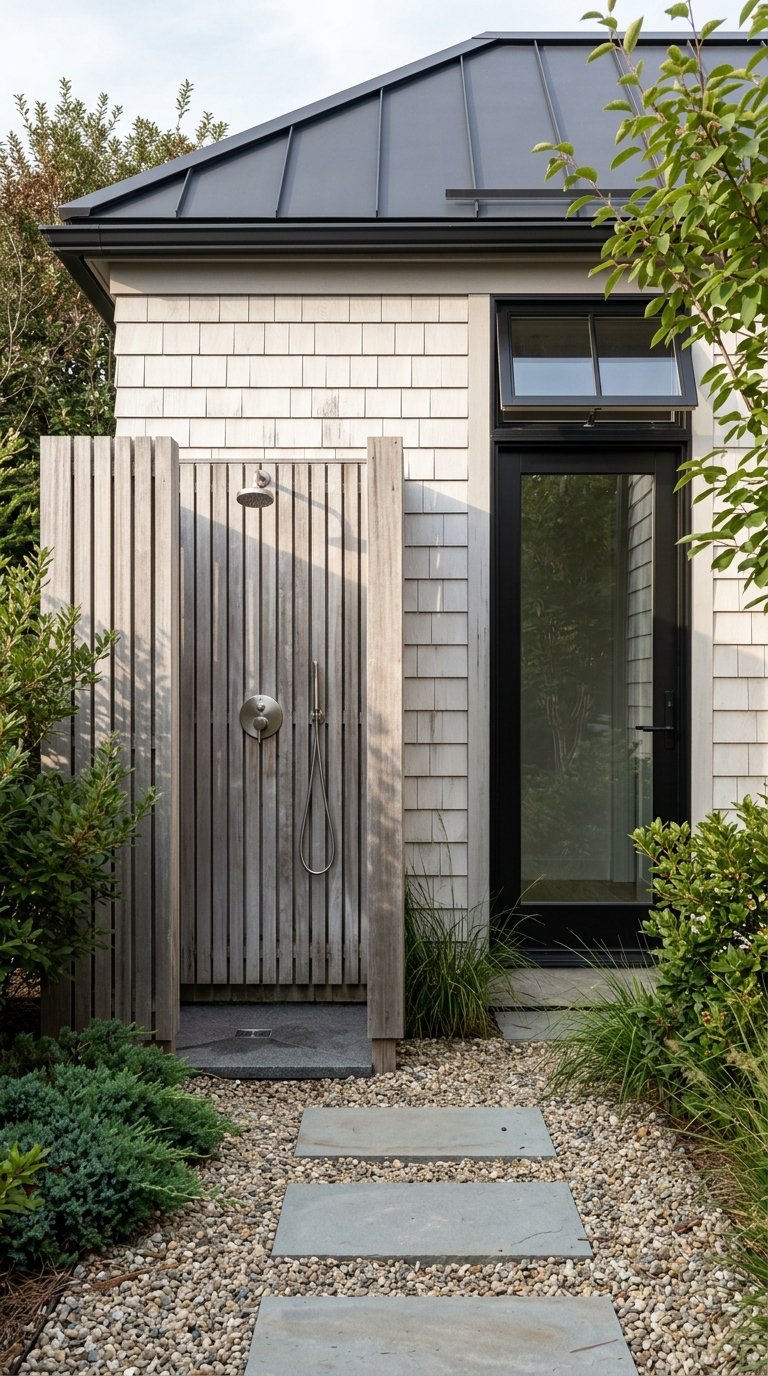
Owning near the ocean usually means more maintenance, and Harpswell is no exception. Maine coastal-building guidance notes that salt spray and moisture can speed up corrosion and material decay.
Over time, that can affect exterior finishes, hardware, roofing components, and other building materials. If you are comparing properties, it helps to look past the view and ask how the home has been maintained for a coastal environment.
Winter brings another layer
Winter ownership has its own rhythm in coastal Maine. MEMA advises homeowners to watch roof snow loads during winter storms, especially on flat or low-pitched roofs.
That does not mean every home has the same level of concern, but it does mean winter preparedness should be part of your ownership plan. In Harpswell, coastal living is a four-season experience, and winter maintenance is part of the full picture.
Wells, septic, and infrastructure matter
Harpswell’s planning documents state that the town has no municipal water supply or sewer system. Residents rely on private systems, including fractured-bedrock wells.
For buyers coming from areas with public utilities, this is one of the biggest lifestyle shifts to understand. Utility planning becomes more property-specific, and due diligence around water and wastewater systems is an important part of the purchase process.
Shore proximity affects well questions
The town also notes that wells close to shore can face saltwater-intrusion risk as sea level rises. That does not mean every shoreline property has the same exposure, but it does make well location and long-term resilience worth reviewing carefully.
When you tour coastal homes in Harpswell, it is smart to think beyond today’s curb appeal. You also want to understand how the property functions over time.
Flooding and erosion are ownership questions
In Harpswell, exposure to tides, flooding, and erosion is part of normal coastal planning. MEMA says coastal flooding can be driven by high tides, storm surge, damaging waves, rainfall, and sea level rise.
The town’s road information also states that seven public roads and landings are already predicted to flood under 1 to 2 feet of sea level rise by 2050. For buyers, that makes site exposure and access more than abstract concerns.
Ask practical questions early
If you are serious about a home, ask specific questions as early as possible. In Harpswell, some of the most important ones include:
- Is the property truly waterfront, water-access, or view-oriented only?
- Does it have a dock, float, mooring, or shared access?
- Is the road public or private?
- Who handles winter plowing and upkeep?
- How exposed is the site to tides, erosion, or flooding?
These are not side questions in this market. They are core ownership questions that shape your costs, convenience, and long-term enjoyment.
The payoff is a distinct coastal lifestyle
For the right buyer, Harpswell offers a version of coastal ownership that feels grounded and deeply local. You get dramatic shoreline, active harbors, island and peninsula geography, and a lifestyle tied to the water in a very real way.
It is not only about watching the tide from your window. It is about understanding access, weather, upkeep, and the rhythm of a working waterfront community. When you buy with that full picture in mind, Harpswell can be an extraordinary place to own.
If you are exploring coastal property in Cumberland County and want a clear-eyed, concierge-level view of what ownership really involves, Lauren Jones can help you evaluate the details that matter most.
FAQs
What is coastal home ownership like in Harpswell?
- Coastal home ownership in Harpswell is shaped by working waterfront activity, varied water-access setups, private-road responsibilities in many areas, and ongoing maintenance tied to weather, salt spray, and seasonal conditions.
What kinds of coastal homes are common in Harpswell?
- Harpswell includes older village houses, cottages, newer waterfront homes, seasonal properties, and year-round residences across peninsulas, islands, and harbor areas.
Does a Harpswell coastal home always come with a dock?
- No. Water access in Harpswell may mean direct shoreline, shared access, a landing, or a mooring-based arrangement rather than a private dock.
Why should buyers ask about roads in Harpswell?
- Because 63% of roads in Harpswell are privately owned, some homeowners manage plowing and upkeep themselves or through a road association.
What utility systems should buyers expect in Harpswell?
- Harpswell has no municipal water supply or sewer system, so residents generally rely on private systems such as fractured-bedrock wells.
What environmental risks should buyers review for Harpswell coastal property?
- Buyers should review exposure to flooding, erosion, tides, storm impacts, sea level rise, and well-related concerns such as possible saltwater intrusion near the shore.