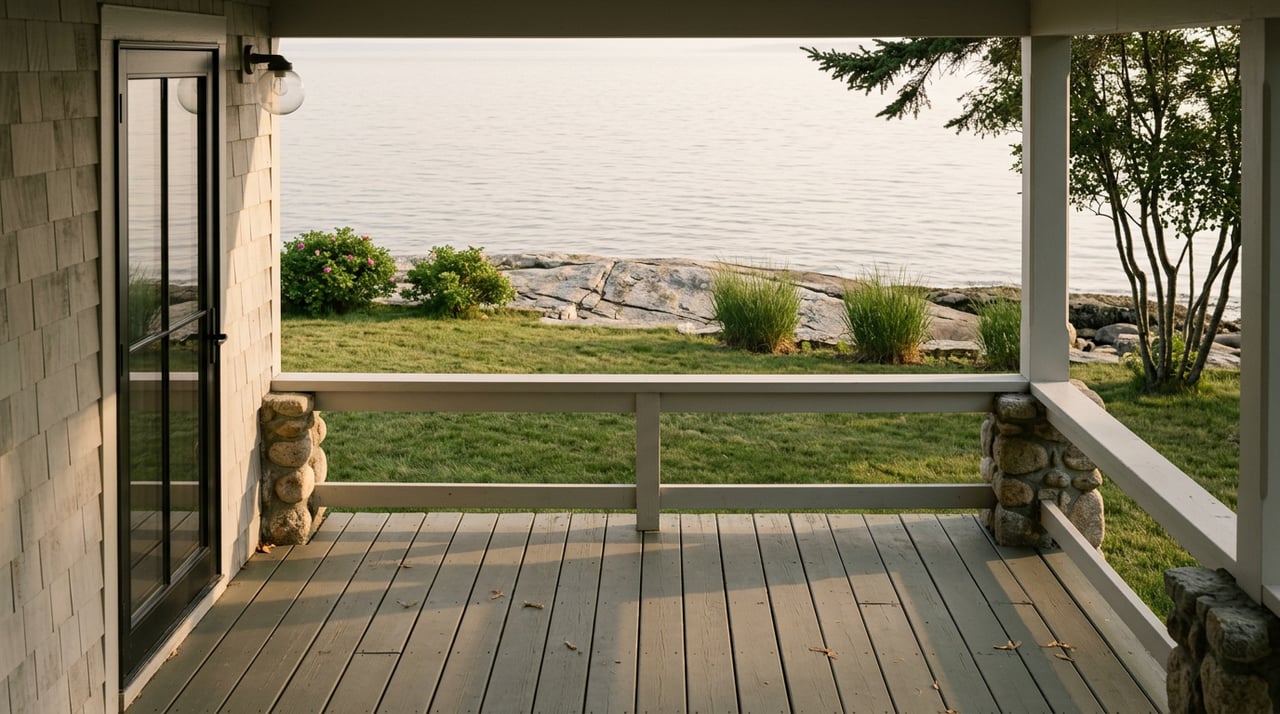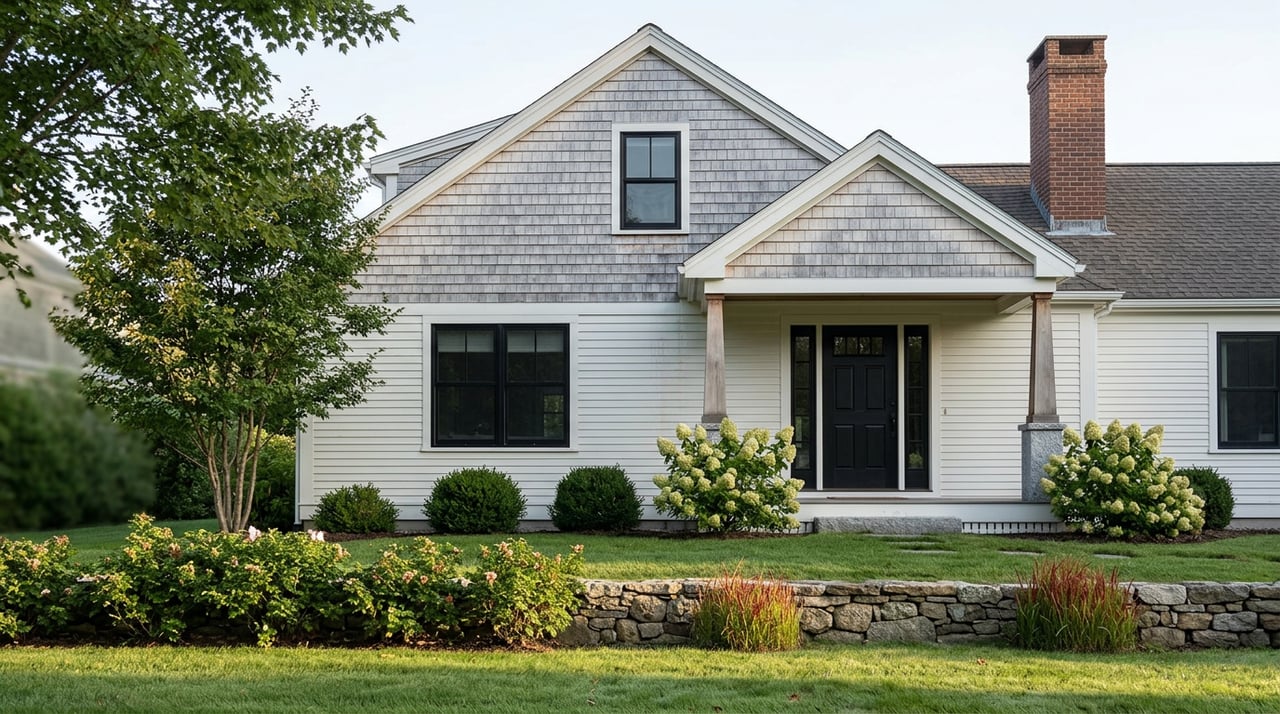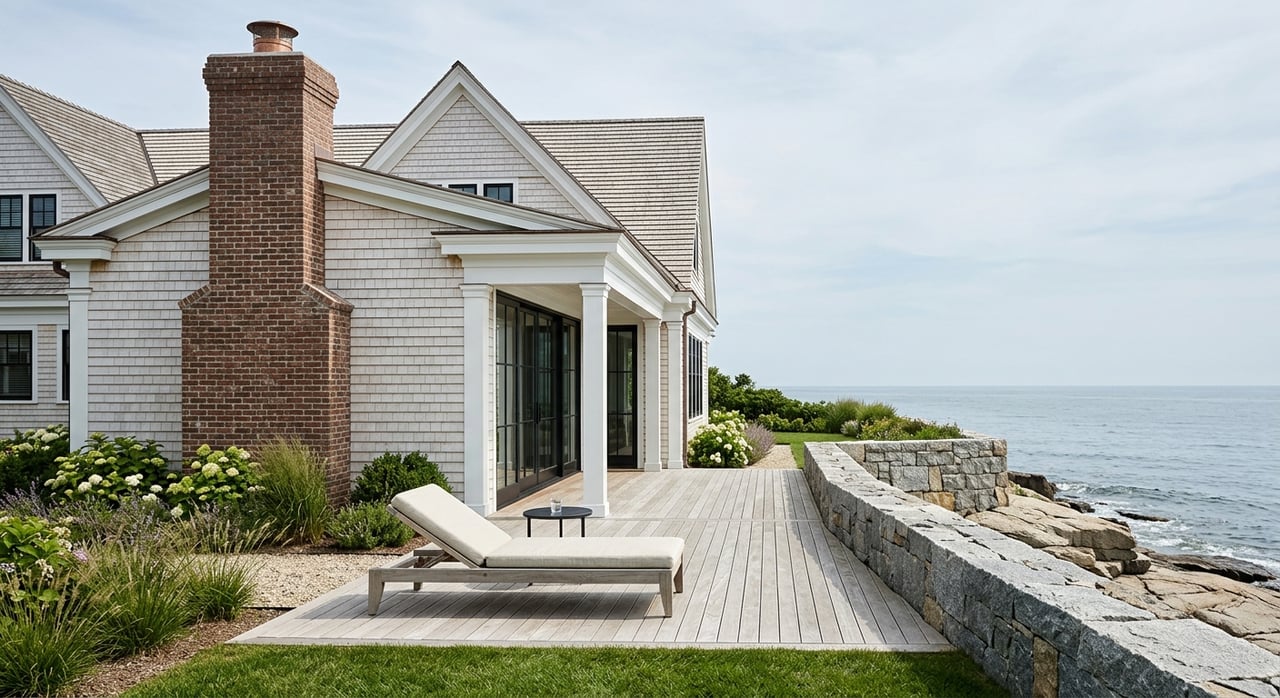
If you picture coastal luxury as a row of flashy oceanfront compounds, Cape Elizabeth may surprise you. Here, luxury feels quieter, more grounded, and much more connected to the landscape itself. If you are trying to understand what makes this corner of coastal Maine so appealing, this guide will show you what premium living really looks like in Cape Elizabeth and why buyers continue to pay attention. Let’s dive in.
Coastal luxury starts with access
In Cape Elizabeth, luxury is not defined only by square footage or finishes. It is shaped by access to the shoreline, preserved open land, and everyday proximity to the outdoors.
That character is easy to see in the town’s major coastal anchors. Fort Williams Park, Crescent Beach, Kettle Cove, and Two Lights create a shoreline experience that feels both scenic and usable, which is a rare combination in any coastal market.
Fort Williams Park at 1000 Shore Road is a town-managed, 90-acre public park with picnic facilities, hiking, sports and recreation areas, historic structures, and expansive ocean views. Portland Head Light sits within the park, and the museum is located in the former keepers’ house. Together, they give the north end of town its most iconic coastal setting.
Further south, Crescent Beach State Park offers a mile-long crescent-shaped beach along with coves, woods, rock ledges, and trails. Kettle Cove adds walking access around the cove, while Two Lights State Park provides a 41-acre rocky headland with broad views over the Gulf of Maine and the open Atlantic.
Preserved land shapes daily life
One of the biggest reasons Cape Elizabeth feels different from many luxury coastal markets is the amount of protected land woven into the town. According to Cape Elizabeth Land Trust, the town has 844 acres preserved across 32 parcels.
Those preserved areas include forests, fields, beaches, marshes, ponds, streams, and working farmland. Many of these parcels are managed for casual, non-motorized public use, which means access to nature is not limited to a few standout destinations.
That matters because in Cape Elizabeth, the outdoor lifestyle is not just a weekend feature. It is part of the rhythm of daily life, whether you are heading out for a morning walk, an after-work run, or a quiet off-season afternoon on the trails.
The trail network is part of the appeal
The Cross Town Trail is one of the clearest examples of how connected the town feels. This 8.2-mile route runs from Portland Head Light in Fort Williams Park to Kettle Cove State Park, and it is mostly flat and usable year-round for hiking, running, birding, snowshoeing, and photography.
The trail is maintained in parts by both the town and Cape Elizabeth Land Trust. That shared stewardship reinforces something important about Cape Elizabeth: public access is built into the way the town functions.
Other preserved and trail-linked areas help create the same feeling. Broad Cove/Two Lights, Gull Crest Trails, Winnick Woods, Robinson Woods Preserve, Runaway Farm, Spurwink Trail/Town Farm, and Trundy Point all contribute to a broader network of open land and low-key recreation.
Cape Elizabeth Land Trust describes Robinson Woods as the town’s largest permanently preserved parcel. For buyers who value privacy, scenery, and room to breathe, that kind of conservation can shape how a place feels just as much as the homes themselves.
Housing feels low-density and residential
Cape Elizabeth’s housing pattern is another reason the town reads as understated luxury. A 2022 Housing Diversity Study estimated that about 90% of housing units in Cape Elizabeth are single-family detached, with another 4% single-family attached and roughly 6% multifamily.
Assessor data in the same study showed about 86% one-family homes and 10% condominium units. In practical terms, that means much of the town is defined by detached homes and a residential pattern that feels open rather than heavily built up.
For many buyers, that is a major part of the value. The setting offers proximity to Portland while preserving a calmer, more spacious feel that can be hard to find in coastal communities with more intensive development.
Cape Elizabeth has distinct lifestyle pockets
While Cape Elizabeth is one town, different parts of it offer different versions of coastal living. A helpful way to think about it is through three broad lifestyle bands shaped by parks, trails, and shoreline geography.
Fort Williams and Shore Road
This part of town feels the most iconic and visitor-facing. It is anchored by Fort Williams Park, Portland Head Light, and some of the most recognizable ocean views in southern Maine.
If your idea of luxury includes immediate connection to historic coastal scenery and one of Maine’s best-known landmarks, this area captures that feeling. The experience here is dramatic, polished, and deeply tied to the visual identity of Cape Elizabeth.
Crescent Beach to Two Lights
This corridor feels more tucked into the coast. With Bowery Beach, Crescent Beach, Kettle Cove, and Two Lights in the mix, the atmosphere is more beach-and-headland oriented, with quiet coves, trails, and a strong sense of natural texture.
For many buyers, this is where Cape Elizabeth feels especially personal. The coastline here offers beauty, but it also supports a more relaxed pattern of use, from beach walks to trail outings to scenic drives along Shore Road.
Interior conservation corridors
The interior sections around Great Pond, Gull Crest, Winnick Woods, Robinson Woods, and the high school and Town Hall corridor feel more low-key and residential. Here, the preserved land and trail network do much of the placemaking.
This is not an official neighborhood designation, but it is a useful way to understand the town. If you want a residential setting with strong access to open space, these areas often express Cape Elizabeth’s quieter side.
Luxury here is experience-driven
Another defining feature of Cape Elizabeth is that its premium appeal is not built around constant commercial activity. Instead, the town’s dining and recreation options support a lifestyle that feels scenic, seasonal, and experience-led.
The Lobster Shack at Two Lights describes itself as a local landmark on the rocky shores of Cape Elizabeth since the 1920s. Inn by the Sea offers Sea Glass Dining in an oceanfront resort setting on Bowery Beach Road, and Fort Williams Park has seasonal food trucks that make casual meals part of the coastal outing.
These details matter because they show how lifestyle works here. You are not buying into a high-gloss resort strip. You are stepping into a coastal town where meals, views, walks, and gathering places are closely tied to the landscape.
The coast works beyond summer
Cape Elizabeth’s appeal is not limited to peak beach season. State park and trail sources show that the area supports walking, hiking, paddling, shore fishing, snowshoeing, cross-country skiing, and photography across the year.
That year-round usability is a major part of what gives the market staying power. For buyers seeking a primary residence, a retreat, or a relocation move tied to quality of life, it means the coastal setting remains active and meaningful well beyond July and August.
The town’s signature TD Beach to Beacon 10K makes that connection even more visible. The race starts near Crescent Beach State Park and finishes at Portland Head Light, turning the coastline itself into a defining community backdrop.
Why premium buyers keep watching Cape Elizabeth
Cape Elizabeth attracts attention for reasons that are easy to understand once you spend time there. It is a small town close to Portland, shaped by preserved land, defined by a mostly detached-home housing pattern, and anchored by public coastal sites that keep the shoreline feeling open.
That combination creates a form of scarcity that is hard to replicate. In many markets, luxury comes from exclusivity through private amenities or dense waterfront development. In Cape Elizabeth, the premium is often tied to the opposite: openness, access, and a coastal setting that still feels protected.
For local buyers, that can mean a higher quality daily routine. For out-of-state and relocation buyers, especially those coming from more urban environments, it can feel like a rare blend of visual beauty, breathing room, and proximity to Portland.
What coastal luxury really means here
If you are evaluating Cape Elizabeth through a luxury lens, it helps to reset the definition. Coastal luxury here is less about flash and more about setting, scarcity, and connection to the land.
It looks like a town where public parks, preserved trails, rocky headlands, beaches, and mostly detached homes shape the experience as much as any individual property. It feels refined, but never overbuilt.
That is exactly why Cape Elizabeth stands out. If you want coastal Maine living that feels elevated, grounded, and lasting, this is one of the clearest examples in Cumberland County.
If you are thinking about buying or selling in Cape Elizabeth or anywhere in coastal Cumberland County, Lauren Jones offers the local insight, concierge-level guidance, and polished marketing strategy that help you move with confidence.
FAQs
What makes Cape Elizabeth luxury real estate feel different?
- Cape Elizabeth luxury is shaped by shoreline access, preserved open land, and a mostly detached-home residential pattern close to Portland rather than heavily built coastal development.
What are the main coastal landmarks in Cape Elizabeth?
- The town’s best-known public coastal anchors include Fort Williams Park, Portland Head Light, Crescent Beach State Park, Kettle Cove, and Two Lights State Park.
How much land is preserved in Cape Elizabeth?
- Cape Elizabeth Land Trust reports 844 acres preserved across 32 parcels, including forests, fields, beaches, marshes, ponds, streams, and working farmland.
What is the Cross Town Trail in Cape Elizabeth?
- The Cross Town Trail is an 8.2-mile, mostly flat route that runs from Portland Head Light in Fort Williams Park to Kettle Cove State Park and supports year-round outdoor use.
What types of homes are most common in Cape Elizabeth?
- A 2022 town Housing Diversity Study estimated that about 90% of Cape Elizabeth housing units are single-family detached, which helps give the town its low-density residential feel.
Is Cape Elizabeth only a summer destination?
- No. Local parks and trail systems support year-round activities such as walking, hiking, paddling, shore fishing, snowshoeing, cross-country skiing, and photography.